
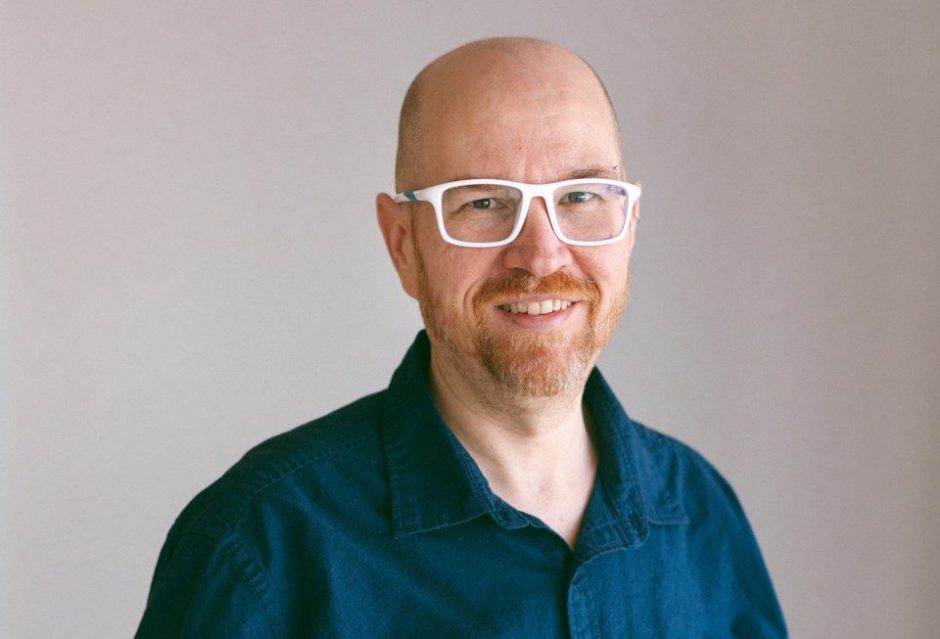
“I come from blue-collar roots. I know what it is like to look at rising rent, groceries, taxes and bills and wonder how much more room there really is. I think City Hall needs more of that perspective when decisions are being made. Not just asking whether something is a good idea, but whether the average person can actually afford it and whether it is going to make their life better.”
Why do you want to be a city councillor?
I want to be a councillor because I believe City Hall needs to do a better job of listening to the people it serves.
I’ve lived in Guelph my whole life, and I’ve watched the cost of living here become harder and harder for ordinary families to manage. I want to make sure taxpayers are getting good value for their money, that we protect and deliver core services well, and that we stop treating higher taxes as the automatic answer to every problem.
At the same time, fiscal responsibility shouldn’t mean forgetting about people who need help. I believe we can make compassionate decisions while still being responsible with public money.
Most importantly, I want Ward 5 residents to have a councillor who will listen to them, advocate for them when something isn’t right, and make decisions based on what actually benefits the community.
For me, it comes down to common sense with compassion: responsible government, strong basic services, safer neighbourhoods, and a City Hall that works for the people who pay for it.
What is your background and experience, and how do you think that will serve you as a city councillor?
I bring both professional and governance experience that I believe would translate well to City Council.
I’ve worked as a Registered Veterinary Technician for more than a decade. That career has taught me how to work with people, solve problems, communicate clearly, make difficult decisions, and stay calm when situations are challenging.
I’ve also served for several years on the Board of Directors of the Ontario Association of Veterinary Technicians. During that time, I’ve served as Treasurer, chaired the Discipline Committee, previously chaired the Governance Committee, and participated in accreditation work. That experience has given me a practical understanding of budgets, governance, policy, accountability, and the responsibility that comes with making decisions on behalf of others.
Most importantly, I’ve lived in Guelph my whole life. I understand this community not just from reports and council meetings, but from living, working and raising a family here.
As a councillor, I would bring that same approach to City Hall: listen carefully, understand the facts, ask difficult questions, be responsible with money, and make decisions based on what will actually serve the people of Ward 5.
Given Strong Mayor Powers, how do you see your role as a city councillor when the mayor can override the will of council with just three votes?
Strong Mayor Powers have changed the balance at City Hall, but I don’t believe they diminish the responsibility of a councillor. If anything, they make strong, independent councillors even more important.
My first responsibility would still be to the people of Ward 5. I would listen to residents, bring their concerns to City Hall, scrutinize spending and policy, ask difficult questions, and make my decisions based on what I believe is in the best interests of the people I represent.
I also think a good councillor has to be able to work with others and build support around good ideas. I’m prepared to work with the mayor when I believe the mayor is right, and I’m equally prepared to disagree and push back when I believe a decision is wrong for Ward 5 or for Guelph.
Strong Mayor Powers should never become an excuse for councillors to simply go along with decisions. Residents are still electing us to represent them, exercise independent judgment and hold City Hall accountable. That is the job I intend to do.
Affordability is important to a lot of voters, and municipal budgeting can be very difficult. How will you balance the needs of a growing city with the demands for low or zero tax increases over the next term?
Affordability has to be part of every budget decision we make. I don’t think it is realistic to promise that taxes will never increase, especially in a growing city, but I also don’t believe residents should simply accept large increases year after year.
My approach would be to start with the services people depend on most and make sure we are delivering those services well. Before expanding programs or adding new spending, council should be asking whether it is necessary, whether we can afford it, and whether residents are getting good value for their money.
Growth also needs to help pay for growth. We should be making full use of development charges and other available funding so existing taxpayers are not carrying an unfair share of the cost of new infrastructure.
I also want to see us rebuild and protect our reserves rather than continually using them to make difficult budget decisions easier in the short term. Strong reserves give the city the ability to deal with emergencies and unexpected costs without immediately turning to taxpayers.
My goal would be to keep municipal spending as close to inflation and population growth as reasonably possible while protecting core services. That means setting priorities, finding efficiencies, saying no to some things, and recognizing that every additional dollar City Hall spends ultimately comes from someone who is already dealing with rising costs at home.
For me, fiscal responsibility isn’t about cutting for the sake of cutting. It is about making sure we are spending on the right things, delivering them well, and respecting the people who are paying the bill.
Council this past term has done a lot of housing policy, but that hasn’t translated into more shovels in the ground. How will you help close the gap over the next four years?
I think we need to start measuring success by homes being built, not simply by how many units we have approved on paper.
The City has done a lot of work on housing policy, but policy alone does not put shovels in the ground. Over the next four years, I think Council needs to work much more closely with the provincial and federal governments to make sure Guelph is getting its fair share of housing and infrastructure funding.
We also need to be much clearer about who we are building housing for. My concern is the bottom 80 percent of income earners — working families, renters, young people, seniors and people who may have a good job but still cannot afford to buy or sometimes even rent in this city.
I would advocate strongly with other levels of government for funding and programs that actually help build housing those people can afford. At the municipal level, we need to make sure approvals are moving efficiently, the infrastructure is there to support growth, and City Hall is not creating unnecessary delays.
There are economic pressures that municipal government cannot control, but that does not mean we are powerless. We can advocate, we can work with other levels of government, and we can make sure Guelph is ready when opportunities to build housing come forward.
At the end of the day, I want us spending less time talking about how many homes we have enabled on paper and more time seeing shovels in the ground and people actually moving into homes they can afford.
Aside from the demands for more housing, land use planning also means assuring that there’s enough room to account for growth in business, institutional and commercial land uses, how will you balance all these priorities?
Housing is obviously a major need, but we cannot plan a growing city around housing alone. People also need places to work, shop, access services and build a life.
I am very supportive of attracting and keeping businesses in Guelph. Businesses create jobs, contribute to our tax base and are an important part of keeping our city economically strong. But those businesses also depend on the people who show up every day and do the work, and those workers need to be able to afford to live in the community where they work.
That means protecting enough employment and commercial land for the future rather than automatically looking at every available piece of land as somewhere to put more housing.
We also need to plan for schools, healthcare, recreation and other institutional uses as the city grows. If we add thousands of new residents without planning for the services, jobs and infrastructure they need, we are just creating problems that the next council will have to deal with.
For me, it comes down to balance. We need more housing, but we also need good jobs, successful businesses, strong public services and neighbourhoods where people can actually get the things they need.
Growth should make Guelph a better and more complete city, not simply a bigger one.
Water availability is a growing concern. How will you ensure that Guelph has the capacity it needs to support this growing city?
Water is something Guelph has always taken seriously, and I think that reflects the kind of city we are. We are an environmentally conscious community, and protecting our groundwater has to remain a priority as we grow.
At the same time, we have to be realistic about our future needs. Average families need reliable, affordable clean water, and so do the businesses and industries that provide jobs and help support our local economy.
I support continuing to protect our groundwater, investing in our water system and finding new capacity where it can be done responsibly. Conservation also matters. Guelph has done a good job of encouraging people to use water wisely, and I think we should continue that work.
We also need to plan ahead. I don’t want us waiting until there is a water shortage before we start dealing with the problem.
I support growth, but it has to be responsible. We should never allow the city to grow faster than our ability to provide something as basic and essential as clean water.
Trust in government and institutions is a major issue. How will you keep your constituents well informed about city hall business, and help them feel included when it comes to decision making?
I think trust starts with being open, honest and available to the people you represent.
I come from a blue-collar background. I am a regular person dealing with many of the same pressures as the people I want to represent. I think City Hall needs more representation that understands what everyday families are actually going through.
If I am elected, I want the people of Ward 5 to know they can reach me. I will listen, return calls and emails, and make the time to speak with residents about the issues that matter to them.
I also believe people should be able to understand what is happening at City Hall without having to dig through hundreds of pages of reports. I will do my best to explain important decisions in plain language, tell people where I stand and explain why.
I am not running to spend my time chasing likes on social media. The majority of my time and energy will be spent working for the people of Ward 5 and being accessible to them. People may not always agree with you, but they should never have to wonder whether you are listening to them or whether you are telling them the truth.
What would you say is *your* issue? What is the one thing you want to talk about on the campaign trail this fall and have a thorough debate about it before this election is over?
My issue is affordability.
I think we need to have a serious conversation about whether Guelph is still working for the average person.
People are paying more for housing, groceries, utilities and just about everything else. At the same time, municipal taxes and fees continue to go up. For a lot of people, there just isn’t much room left.
I want us to have a real debate about what City Hall can do differently. That means controlling spending, protecting the services people actually rely on, building housing that regular people can afford and making sure growth creates opportunity instead of just higher costs.
I come from a blue-collar background, and I think the people making average incomes need a much stronger voice in these decisions.
I don’t want Guelph to become a city where you can work hard, do everything right and still feel like you are falling further behind.
That is the conversation I want us to have before this election is over.
What perspective do you think you will bring to council that is not currently reflected?
I think the perspective I would bring is that of an average working person who understands what many families in this city are dealing with.
I come from blue-collar roots. I know what it is like to look at rising rent, groceries, taxes and bills and wonder how much more room there really is.
I think City Hall needs more of that perspective when decisions are being made. Not just asking whether something is a good idea, but whether the average person can actually afford it and whether it is going to make their life better.
I also believe representation matters. The majority of people in this city are working, raising families and trying to get ahead. I want to make sure their reality is reflected in the decisions Council makes.
I would bring a practical perspective to Council: spend carefully, protect the services people rely on, listen to residents and never lose sight of who is ultimately paying the bill.
Is there anything else you want to tell voters as they make their decision?
Check out my website. www.votewes.ca

