
After a real August recess this year, city council – now whole again – returned to the council chambers for more hijinks starting with something we thought we had already done in July. After an impromptu planning meeting, council took part in the Committee of the Whole meeting where they covered I.T., WHMIS, and stuff that does have initials like the growing scourge of graffiti. Get all the details in this week’s recap!
Special Meeting of Council – September 3, 2025
Once again, the proposal to re-develop 343 Waterloo Avenue came to city council for approval. Mayor Cam Guthrie called it “Groundhog Day”, he said that mistake in posting two different start times for the meetings was an honest accident and he apologized to the proponents and the neighbourhood for the oversight.
Martha and Morgan Adams talked again about their ambitions with the project, which haven’t changed since the July meeting on this subject. This time, perhaps predicting the comments of other delegates, they addressed community concerns saying that they’re promoting the idea that this is a building for people who don’t want a car or have a car, that they’re working on concerns about stormwater and loss of trees, and the fact this is a major street on a transit route makes it prime for gentle density. Martha also added that they will yield to all the directions of the City planning office under site plan.
Then six people spoke up to delegate, and only one of them offered unequivocal support for the proposal. Everyone else had concerns, including parking overflow, increased traffic, and the general size of the project in exchange for a couple of new affordable units, but the process was especially singled out as a problem. The lack of feedback from planning staff, the snafu with the start time, and leap frogging timelines using Strong Mayor Powers were all cited as cause for concerns with many of the delegates asking council to hit pause or vote down the project so that it can come back through regular order.
Ultimately, the result remained the same. Only Councillor Phil Allt voted against the project on the grounds that this was a rushed process.
Click here to see the complete recap of the meeting.
Committee of the Whole Meeting – September 3, 2025
Starting about 15 minutes late due to that other meeting, September’s Committee of the Whole began with a slate of recognitions for staff, and then a presentation about the work of the City’s Information Technology department. I.T. boss Adam Fischer told committee that his goal is to make I.T. a “key strategic partner” within city hall by driving innovation and data management to deliver good governance.
Naturally, the hot button for committee itself was the way that the City of Guelph was using artificial intelligence and whether there are safeguards for cyber security, human oversight, and any potential savings. Fischer said that the technology is being used in some very targeted ways and always with appropriate controls, and as for savings, he noted that the most promising places for efficiencies is in the management of growth. Essentially, city hall is looking at high-impact/low-lift when it comes to A.I.
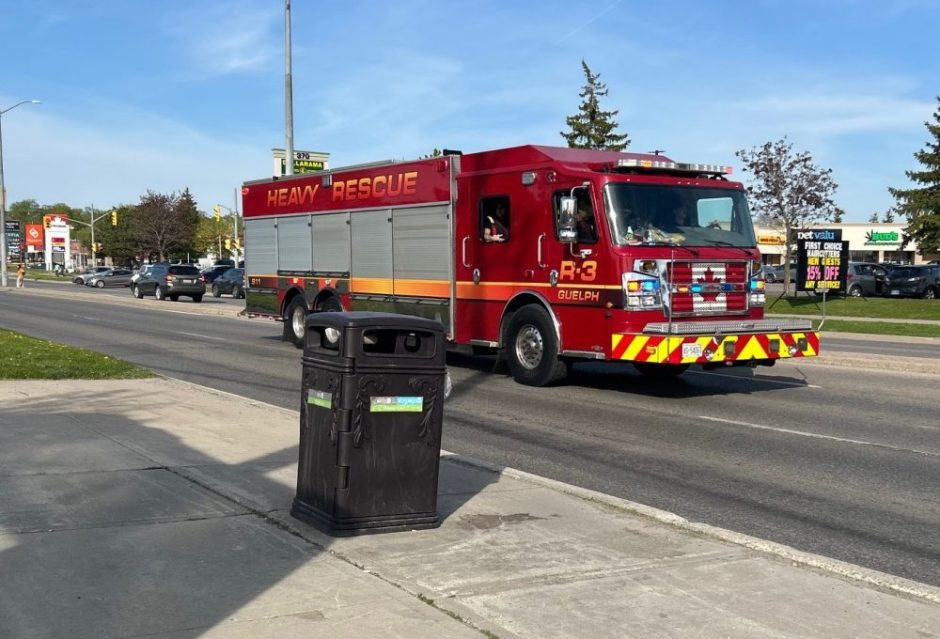
On a more human scale, committee then heard about the impacts of increased spending on Workplace Safety and Insurance Board (WSIB) claims on Emergency Services. The biggest portion of this spending is now going to mental health claims brought by first responders, which is attributed to the decreased stigmatization of such claims. In the case of firefighters though there’s also an increased risk of cancer due to materials and chemicals that they might encounter at the scene of a fire.
In terms of the physical risks, new Guelph Fire Chief reported that they are investing more in training and PPE. He also said that they are using overtime to backfill absences before noting that 34 per cent of those days of missed work are going to WSIB claims.
On the paramedic side, Chief Stephen Dewar said that they’re able to use part-time staff to fill the overtime gaps, although that comes with issues because it’s a workers’ market when it comes to paramedic jobs. This past May, Guelph-Wellington Paramedic Service sent out 35 offers for 20 spots and got 11 hires. Committee wanted to look at how Fire and Paramedic WSIB claims compare to Police, but that may have to begin with the Police producing their own report.
Next came Mayor Cam Guthrie’s proposed direction to draft a bylaw to tackle the speedier removal of graffiti around town. Before discussing the motion attached to the agenda, Guthrie announced that after conversations with colleagues he had a new recommendation: to direct staff to compile options for addressing graffiti and to look at a variety of solutions, up to and including a bylaw, to have private property owners remove graffiti faster.
Guthrie said that this was a property standards issue, the City does a good job making property owners aware of graffiti issues, but there’s very little that the City can do to get it cleaned up, even if the property owner is another government or government agency. Committee was receptive to the more conciliatory motion but had concerns about staff work plans. DCAO Colleen Clack-Bush said that this was an easy do, but if council decides to proceed to a bylaw than other work will be put on pause. In terms of other comments, Councillor Phil Allt flagged potential free expression issues while Councillor Erin Caton noted recent drought conditions being antithetical to the increased use of power washers to remove graffiti. Committee approved the new recommendations.
Committee then quickly dispatched the value-for-money report for Facilities Cleaning Services, and the Second Quarter Budget Monitoring Report.
The report about the new subclass discount for multi-residential properties to promote more affordable housing was more interesting to committee with a number of questions about the impact to the rest of the tax base if the City allows a property tax discount up to 35 per cent on affordable rental housing units. The discount will apply to only the affordable units and not whole buildings that have a few affordable units, which Deputy Treasurer and Manager of Revenue and Treasury James Krauter said would amount to about $800,000 less revenue per year, although he framed this less of a loss and more of a redistribution of the tax burden.
This raised some concerns among the councillors because if one owner ends up paying less then someone else will end up paying more, and then the question is who and how much. Staff said that they will try and gather more information about the affordable housing deals that already exist in the city and determine who will be eligible for the discount, but Krauter repeatedly said that it’s hard to know the impact until they know how many people will take up the offer to create more affordable units in order to get that discount. In other words, if no one applies, no one will get the discount, but that also means no affordable units as defined by the Ontario government will be created.
All of committee, with the exception of Councillor Christine Billings, voted in favour of the recommendations at least until the follow-up report comes to council at the regular meeting in a couple of weeks.
Click here to see the complete recap of the meeting.
 Guelph Politico