

The end of June brings the regular meeting of council, but more specifically it means an update about the business of Guelph Municipal Holdings Inc and Guelph Junction Railway, companies owned by the City of Guelph making city council their one and only shareholder. As for that regular meeting, think plastics, and think about that big decision on the Dill Hall for which some other artists in the community had notes. Here’s the recap…
Shareholder Meetings of Council – June 25
If it’s June, then it’s time for the annual shareholder meeting for Guelph Municipal Holdings Inc, which holds Guelph’s stake in Alectra Utilities, and Guelph Junction Railway, which owns and manages much of the track that runs through and around the city.
There wasn’t much to say in the case of GMHI with the City’s investment increasing $3.5 million in 2023, and a dividend worth $3.5 million received by GMHI for that period. Things were a little spicier in the GJR meeting where Guelph Hiking Trail Club rep John Fisher voiced concerns about the corporation’s governance, whether they’re putting too much of an emphasis on commercial interests instead of creating a balance with community concerns, and if Guelph’s CAO should be simultaneously serving as the CEO of Guelph Junction Railway.
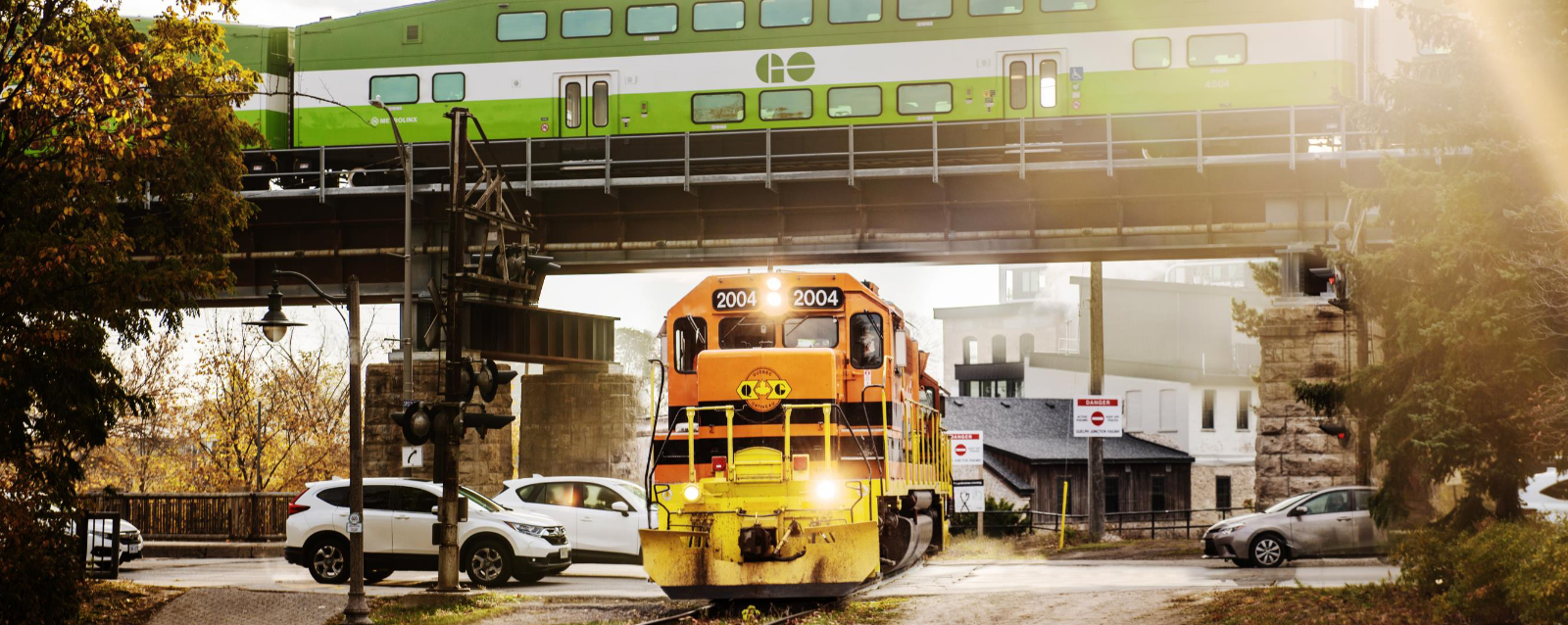 There were some follow-up questions from council, if only to quell concerns that GJR isn’t thinking about how best to align their business interests with community projects like rail trails. As for the governance, there may be an opportunity to review that when a new CAO is hired by the City later this year. (Jayne Holmes is temporarily serving as the City’s CAO and GJR’s CEO).
In turns out that business-wise things are working pretty good at GJR right now with $2.1 million in income last year, and a $210,000 dividend to the City. Fisher also talked about the possibility of depositing the dividend into a new trail reserve account of some kind, but in anticipation about demand for funds from such a reserve fund, west end councillor Linda Busuttil suggested funding a trail connection and rail underpass in Margaret Greene Park as a priority.
Click here to see the complete recap of the meeting.
Regular Meeting of Council – June 26
Starting a bit late due to a busy closed session, from which there was only one direction concerning a new appointment to the Board of Trustees for the Elliott, there were three major pieces of council as council business.
The 2023 Audited Consolidated Financial Statements didn’t present any new financial information, so the focus of the presentation was on changes to some accounting and reporting factors. Matt Betik, Partner at KPMG, noted that this was a clean audit with no corrected amounts and no significant control deficiencies, although there was some general reference to the growing pressure on the budget due to downloading and aging assets.
Next, there was some follow-up on a motion council approved during Committee of the Whole under Single-Use Items Strategy Phase 2, a recommendation to require local eateries to accept reusable dishes in addition to reusable cups and mugs. Since the beginning of the month, staff has been meeting with local business owners who noted concerns around standardization and cleanliness with those containers as well as the additional labour to handle them.
It was staff’s advice that council revert to their original recommendation, and council abided, but there was an amendment to remove cup sleeves from the accessory foodware item list, which is something that customers will have to ask for in order to get one, and to limit reusable cups to dine-in and pick-up orders only, and not drive-thru or delivery. Those motions as amended were approved.
And yet, council wasn’t prepared to give up on reusable containers. The Ward 2 Councillors Carly Klassen and Rodrigo Goller wanted to find a way to encourage the acceptance of reusable containers without mandating it, but there was a lot of confusion around the council table about how to word that in an official direction to staff. It took a minute, but it was eventually decided that that the best way to proceed was to direct staff to do additional engagement as they’re educating businesses this fall about the changes going into effect in March anyway.
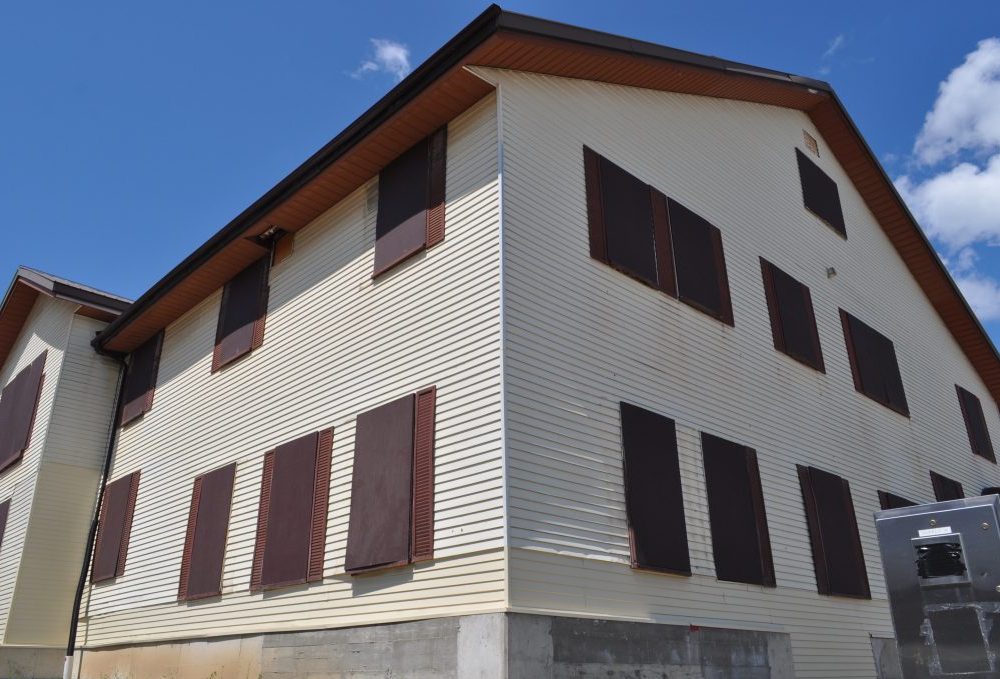 That was enough to get council to yes, so they moved on to the final topic, Drill Hall Responses to Expressions of Interest and Planned Future Use, At committee it was decided to not sell the Hall so that the Guelph Centre for Visual Art could have some time to put together a formal proposal, but as council learned, the GCVA are not the only artists in town.
A trio of delegates from the groups Necessary Arts and Art Not Shame, all representing equity-seeking communities in the city, felt that council gave the go ahead to the GCVA without opening up the process to all Gulph arts groups. They also felt like maybe the GCVA had the inside track given the fact that a former city councillor as one of their members and decried the lack of community engagement before deciding to proceed with a community art use for the Drill Hall.
Council agree that they may have been rather hasty, and Mayor Cam Guthrie noted that the slate of six recommendations from committee were all generated in meeting and not what staff had brought to the table. (Reminder: Staff wanted council to sell the hall.) Guthrie suggested that council mothball the committee recommendations and start again. They agreed that they shouldn’t sell the Drill Hall, and that it should be used for some artistic purpose, but what?
A motion from Councillor Cathy Downer proposed to allocate up to $25,000 from the unspent portion of the 2024 Community Investment Strategy for a feasibility study and community engagement for future arts and culture uses of the Drill Hall, and to maintain the building in its current state. What happens next will be determined when the report comes back sometime before the end of March. Those new motions were approved.
Click here to see the complete recap of the meeting.
 Guelph Politico