
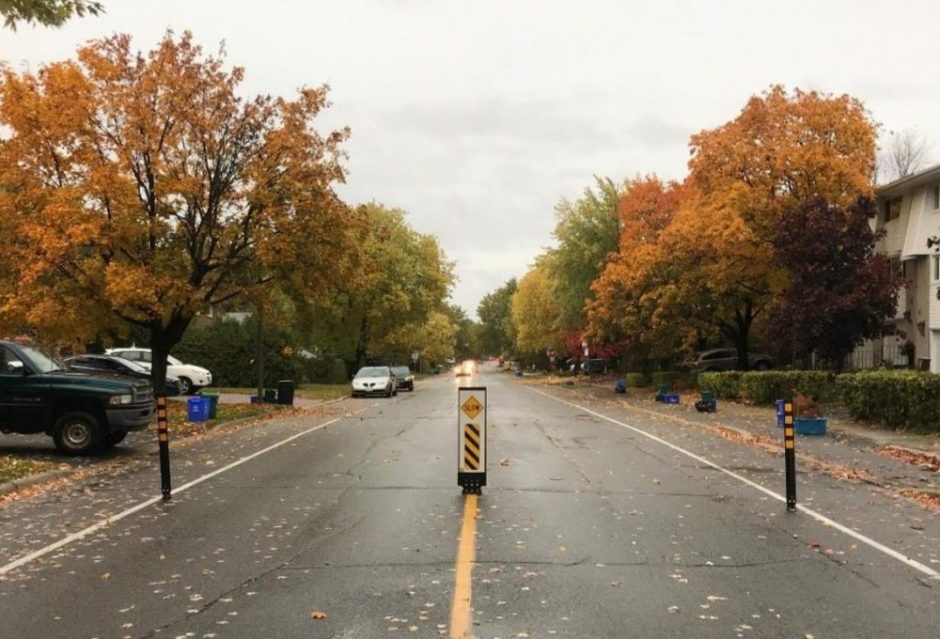
This week at council almost everyone had concerns about road safety. For the last few years, the City of Guelph has been trying to advance the cause of safer streets, and making Guelph a place where no one is hurt and killed on our roads but as we were reminded at April’s Committee of the Whole meeting, there’s been some mixed results on that effort. Can staff reset expectations by refocusing on some key problem areas? They think so in the recap!
Committee of the Whole Meeting – April 7, 2026
There were a couple of different items on the agenda for this month’s Committee of the Whole meeting, but only one of them got any in-depth analysis. But first, there was a question of clarification on the delegated authority on BYO-events, which was mostly about getting staff assurance that the change in provincial rules did not mean that anyone can go to any park and pop open a cold one any time.
Councillor Linda Busuttil also wanted to know about feedback from the school boards since many city parks abut greenspaces and playgrounds on school property, and many residents may not make the distinction. Deputy CAO of Public Services Colleen Clack-Bush explained that this just a first step because council had previously delegated authority to approving tailgate-style events to staff so that needed to be updated. Both the Guelph Police Service and Wellington-Dufferin-Guelph Public Health advise on special event permits, but as to the question of different parks, Clack-Bush said that this will be part of staff’s next phase of work reviewing the bylaw.
And that brought us to the Traffic Calming Policy Update. Staff would repeatedly note that traffic calming is just one of 68 different recommendations in the Vision Zero plan to make Guelph streets safer, but requests for traffic calming have far exceeded staff’s ability to address them all (not to mention the budget). Instead, staff are cancelling the queue and will spend the next five years focused on 25 specific streets based on risk (listed on page 14 and 15 if the report here), including Community Safety Zones, which will be the first places where calming will be installed.
There were two delegates including a member of the Guelph Community for Active Transportation and Guelph’s Bicycle Mayor. Both Claire Braden and Andrea Bidgood mentioned the young mother killed while crossing the road at Paisley and Alma last fall as a reason to make Guelph streets safer and noted that the memorial on that corner has become a rallying point for many residents pointing to how unsafe our streets are for anyone not inside their car. They also both credited staff with a well-rounded and organized community feedback effort while Bidgood introduced concerns about the impact of speed cushions on people with disabilities, which would come into play later in the meeting.
Pretty much everyone around the horseshoe had something to say or had questions to ask on the subject. Some councillors had questions about how the new list of 25 streets was developed; 13 were Community Safety Zones previously identified while the others were chosen because they include community members who are actively at risk like seniors and school-aged kids. There was a recurring question about what other options are available beyond traffic calming and staff reinforced the idea that there was a suite of options under Vision Zero. There will be more information on that later this year. Thinking bigger, there are also the guidelines for complete streets, which will allow for roads to be designed or redesigned with safety in mind, but for now the main solution seems to be the installation of speed cushions.
On that point, Councillor Erin Caton interrogated staff about the disability issues, specifically the effects of speed cushions on people with disabilities as they’re passing over them. Does the city have maps for people with disabilities to advise them on detours they can take to avoid cushions? They do. Did staff present the advice of the previous, more activist Accessibility Advisory Committee to the present one who approved the update? They did. Is there any way for the City to know how many injuries are caused by speed cushions outside of them filing a lawsuit? Not so much.
Some of the rest of the conversation focused on communication, how will these changes be explained to the public and what other options can councillors offer when their constituents ask about traffic calming measures. Acting DCAO of Infrastructure, Development and Environment Terry Gayman said that staff were working on talking points for council, and Councillor Ken Yee Chew asked for a list of the 250 streets that were in line for traffic calming consideration and are about to be deleted so that they can be better prepared to answer those questions.
The updated policy was approved 10-3 with I.D.E. Chair Carly Klassen making the obvious observation saying that if people didn’t speed, we wouldn’t need all these traffic calming measures.
Click here to see the complete recap of the meeting.

