
It was a week of back-to-back meetings at Guelph City Council, and for scheduling reasons we’ve even squeezed in a third that was technically last week. First, we will catch up on a mostly in-camera meeting, and then get into the latest planning matters that came up for council consideration. Last, we catch-up on the report to council about the progress of the City’s Strategic Planning initiatives. Let’s recap….
Shareholder Meeting of Council – July 9, 2025
The business of Guelph Municipal Holdings Inc was not finished with last month’s annual general meeting and council reconvened as shareholder last week for a mostly confidential affair. The shareholder went into closed session at 4 pm for a matter involving trade secrets supplied in confidence under Section 239(2)(i) of the Municipal Act, then, about 90 minutes later, they emerged from the closed session to say that they received information and gave direction. They also approved the minutes from last month’s meeting.
Planning Meeting of Council – July 15, 2025
There was a lot to cover in the planning meeting this month, but council managed to cover it with relative speed and efficiency.
First council had to approve a slate of consent agenda items, a dozen in all. Many of those were new heritage designations, and at least one objection to a previous designation. There was a question about that file, and whether or not a designation barred the homeowner from adding an addition if so desired, but otherwise the slate was approved swiftly.
Next, council quickly dispatched the extension of transition provisions in the new Comprehensive Zoning Bylaw. In all, 15 sites were exempted when the new CZB went into effect in 2023 since those were applications under review or pending decision, and they will continue to be exempted after council unanimously approved those provisions for another two years. No one delegated, and no one called in to delegate either.
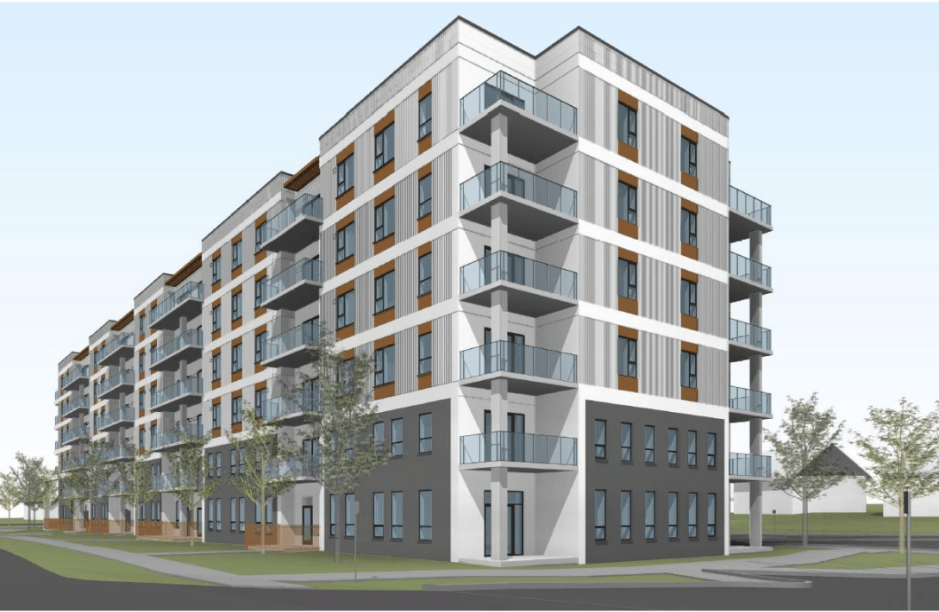
Next, a decision on a proposed apartment building on the corner of Elmira and Willow. The application was slightly changed to create two three-bedroom units, which also increased the number of visitor parking spaces by two, and the developer’s planner was enthusiastic about getting council’s approval. One area resident delegated to ask council to decline the application based on the size of the six-storey building and the likelihood of overflowing parking on area streets. Still, council didn’t really have anything to add to the project, and although four of them voted against it, the new building was still approved by a majority of members.
Then there was another more formal objection to a heritage designation. The property was 30-32 Eramosa Road, which was once the site of one of Guelph’s first foundries, and though the existing duplex was probably once used as a support building, heritage planner Jack Mallon said that it’s still representative of the city’s early industrialization and an example of adaptive reuse. Adam Stewart, who owns one of the two properties, was objecting on the grounds that there wasn’t a lot of discussion with staff before the designation went to Heritage Guelph earlier this year, and that he would like to have had more input.
Like last month, council would eventually come to the conclusion to defer the designation while the owners and staff worked together on some accommodation. Stewart mentioned that he would be interested in some incentives for property owners to be proactive about heritage protection, and on this point, he was also speaking as a realtor. Councillor Dan Gibson, who initiated the deferral, said that he was unconvinced that staff had answered all concerns about the impact on homeowners who are at risk of losing their home insurance with a designation. The deferral was passed 7-4.
Finally, council heard the Growth Management and Affordable Housing Monitoring Report. The bad news is that housing starts were down last year and are looking to be down even further this year, but the good news is that Guelph is at least seeing intensification in all the places we want to intensify. Also of concern is that the City is still waiting to get the affordability benchmarks from the Ontario government, which were supposed to be relayed to municipalities on June 1. They’re still waiting.
Staff tried to put the best face they could on the report, but Guelph only added 1,147 new units in 2024; we were supposed to get to 1,500 and we needed to get to 1,200 if we were to take advantage of bonusing from Queen’s Park. GM of Planning and Building Services Krista Walkey once again noted that the City of Guelph doesn’t itself build but is supposed to foster policy to make it easier for developers to build. As for those developers, Mayor Cam Guthrie said that the ones he’s talked to are waiting for the economic clouds to part, and that they’re also waiting for the federal government to fulfill their promise on cutting GST on new homes. The report was received by council.
Click here to see the complete recap of the meeting.
Special Meeting of Council – July 16, 2025
A special Wednesday afternoon meeting of council was convened for the annual update about the implementation of the Strategic Plan. Mostly, this was about City of Guelph directions, but it was matters involving the Grand River Conservation Authority that prompted the most interest.
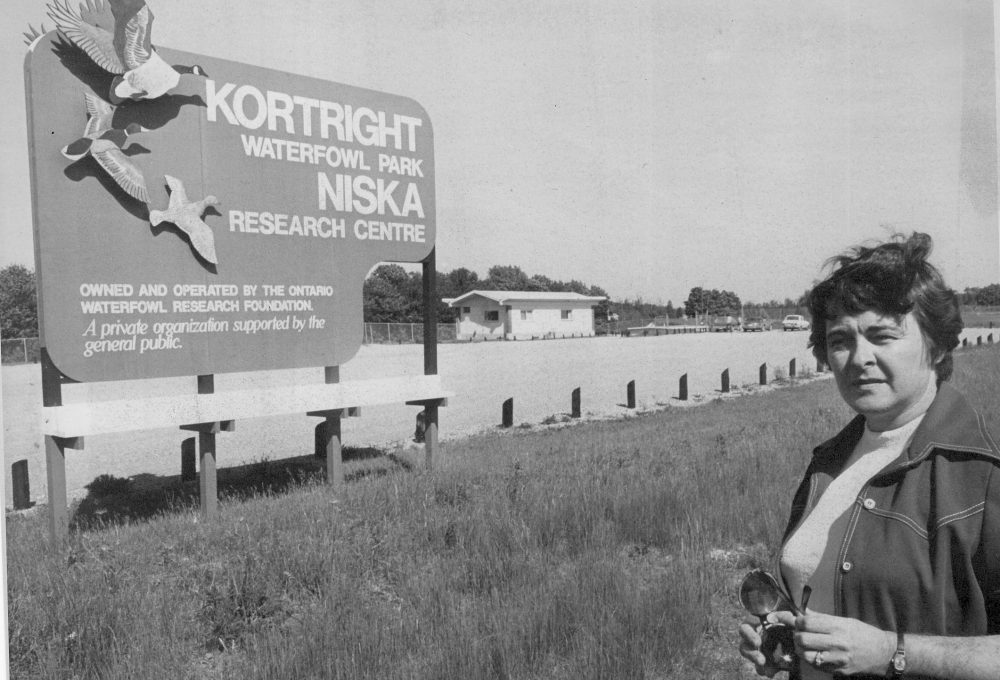
Three of the five delegates wanted to discuss the future of the old Kortright Waterfowl Park and surrounding land in the south of Guelph, they’re concerned that the GRCA were not following historic agreements for the preservation and protection of that property, and about the plan to dispose some portion of it for potential development. They demanded that council take a more proactive hand in working with GRCA staff about their plans and ensuring that the original vision for the land is completed.
Naturally, staff and council alike took some exception to being characterized as asleep at the switch. Deputy CAO Jayne Holmes said that City staff and GRCA staff have had “deep discussions” for years about the future of the Niska Lands, and there will be a report coming back to council in the fall once an update is presented to the GRCA’s board in September. Although the GRCA’s own CAO Samatha Lawson was on-hand to present later in the meeting, council had no questions for her about the conservation authority’s work on that property.
There were two other matters raised in the delegations.
Martin Collier appeared and leveled many accusations about the construction of the Emma-to-Earl pedestrian and cycling bridge in the north end in terms of safety to the area, misspent budgets and environmental damage. Holmes responded later saying that the City is following the recommendations in the environmental assessment to the letter and that the project is on time and on budget.
Finally, Evan Ferrari made the case that the Allan Dam should be demolished because it’s keeping water levels in the river artificially high, which is creating the potential for more flooding upriver as witnessed earlier this year during a heavy rainstorm in April. Ferrari said that it is his group’s estimation that the benefits outweigh the risks, but staff hedged because the EA for the Allan Dam is presently underway with a final report coming back to council in October.
The CEOs of The Elliott Community and the Guelph Public Library, the Chief of the Guelph Police Service, and the Associate Medical Officer of Health for Wellington-Dufferin-Guelph Public Health were also on-hand to present to council their strategic goals, accomplishments and challenges. The Downtown Guelph Business Association was also included on the agenda, but they did not end up presenting.
There’s a new page on the City of Guelph’s website that’s dedicated to the progress on the various initiatives in the Strategic Plan, and you can see it for yourself by clicking here.
Click here to see the complete recap of the meeting.
 Guelph Politico