
There was a lot going on at this meeting, and some of it had nothing to do with what was on the agenda. For instance, one city councillor was absent because they’re now busy chasing a new gig at a different level of government. In terms of stuff at the meeting, there was a new development around the Public Space Use Bylaw, which caused some controversy despite how little about it was available in the agenda. Hopefully this recap has more detail!
Regular Meeting of City Council – March 25, 2025
This meeting was different for a couple of reasons: Councillor Carly Klassen took part briefly for the first time since taking mat leave, Councillor Dominique O’Rourke sent regrets as she’s presently applying for a new job, and Councillor Linda Busuttil was in the chair because Mayor Cam Guthrie was going to be a more active participant in the debate this time.
More on that in a minute. First, council approved the consent agenda of items from Committee of the Whole. The only change was a new amendment from Councillor Leanne Caron who tried again to expand the variety of expertise and background of potential future members of the heritage committee. This amendment focused on recruiting people who have knowledge of Indigenous heritage and landscape architecture, as well as librarians and archivists. Caron crafted it with staff’s advice, and it ended up being more appealing to council, so it was approved.
That brought the meeting back to Zero, Vision Zero. Morgan Dandie delegated to make the point that there needs to be a connection between road safety and increased transit options, but for its part council was concerned about the traffic. Guthrie proposed an amendment to one recommendation in the Vision Zero Plan to require council approval before any dedicated transit lanes are created, which has been a point of friction for some councillors since the approval of the Transportation Master Plan. That amendment was approved and so was another one that added testing to recommendation #57, which seeks to petition the Ministry of Transportation Ontario to review driver education and training.
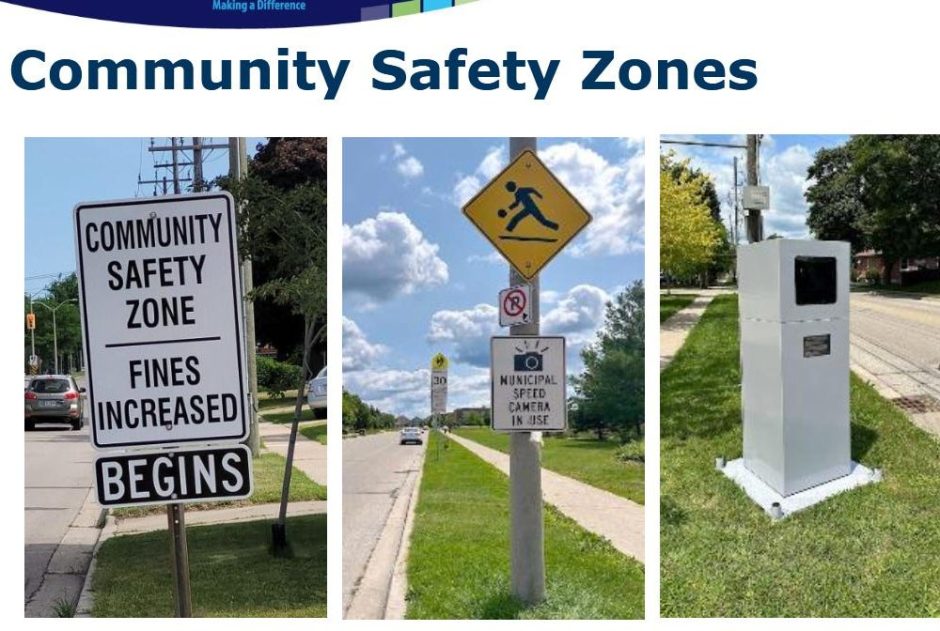
Before finishing, council had questions about tickets from the automated speed cameras. Guthrie asked about how it feels like the cameras are playing “Gotcha” handing out tickets at 3 am, but staff countered that the focus of the cameras is to protect vulnerable people in areas and times where they’re especially vulnerable, like school zones. Another point of friction: How it takes 30 days to get a ticket after the offending incident. Staff said that the vendor is working to get images to the processing centre the same day so there may be some improvements there soon. Councillor Dan Gibson wanted to make the point that traffic tickets should not be a revenue stream for the City because, ideally, safety is working when no one is getting tickets. The amended recommendations were approved.
After that, council took a 15-minute break, which was really a 30-minute break. It seemed that some update to the system was glitchy when it came to the virtual meeting components, and it was so bad that Councillor Erin Caton had to abandon her virtual perch and enter the physical chambers.
After the longer-than-expected I.T. break, council proceeded with a proposed amendment to the Public Space Use Bylaw. The amendment was meant to expand the definition of “sensitive public space” to include any public space that shares a property line with a school or daycare, because, as Guthrie explained, there are potential “frictions” as we get into spring when kids will be taking part in more outdoor events like Easter Egg hunts. Guthrie compared the safety concerns to that of speeding cars around schools.
After hearing from one delegate, council went into a second closed meeting and then emerged to put the new amendment on the floor, but Caton had an amendment of their own. Caton explained that cars are a known risk, but people in tents are not, so they moved a referral of the amendment to the Accessibility Advisory Committee to consider the impacts to the disabled community, who are disproportionately part of the unhoused community.
There was a lot of disagreement on this. Guthrie started interrogating Caton about their intentions and why they hadn’t bought the idea of referring motion to council sooner. (Caton said they had only thought of that morning.) Guthrie argued that the AAC had already been engaged whereas he had to reach out to the school boards to proactively seek their engagement. Some councillors believed that any further engagement was unnecessary because this was not substantively changing the bylaw and is merely adding clarity. The motion to refer ended up failing with only four councillors voting in favour.
Back to the main motion, Caton tried to appeal to her colleagues by saying that this new definition was leaning into the stigmatization of unhoused people as inherently dangerous, plus there’s also confusion because we were meant to believe that the Public Space Use Bylaw was working. There was also the numbers game; only 27 out of 119 parks will be affected, and presently the City is only aware of one person in one encampment who will be affected by the change. Despite those, and some other concerns, just enough council members went with the idea that this wasn’t a big change to the original bylaw and the amendment was approved 6-5.
The last item was an endorsement of Guthrie’s appointment to the Large Urban Caucus on the Association of Municipalities of Ontario, and council did so unanimously endorse.
Click here to see the complete recap of the meeting.
The next meet of city council is Committee of the Whole on Tuesday April 1 at 2 pm. You can see the agenda on the City’s website here.
 Guelph Politico