

After a two week break, council returned with back-to-back meetings that generated some conflict, including one surprising topic of controversy. Fireworks were back on the agenda, essentially so that council could ratify the direction they approved at Committee of the Whole, but things ended up going in a very different direction. Also, the 2025 budget with special edits directed by the mayor was introduced for the first time. Here’s the recap!
Regular Meeting of City Council – October 29, 2024
A marathon closed session began this regular meeting of council for October. One of the topics was an update about the Public Space Use Bylaw, and while the contents discussed in-camera were not revealed, Mayor Cam Guthrie read a statement on the issue.
“The vast majority of emails [council has] received are from residents who actually support the bylaw but are actually worried it doesn’t go far enough to protect certain areas that are important to them personally,” Guthrie said. “However, there seems to be some confusion about the scope and the application of the bylaw. As a reminder, the map was only intended to be a high-level visual tool to show examples of where the bylaw applies. Let me be clear: The map is not part of the bylaw, and the map is not going to be used for enforcement purposes.”
“We don’t need to designate every space, and it would be impossible to anticipate every hypothetical scenario. So if you encounter a structure in any area you don’t consider safe or appropriate, please reach out to bylaw compliance and provide them with that information right away,” Guthrie added.
The main item before council this meeting was the ratification of direction to City staff to develop a new fireworks bylaw that would create a permitting system. The recommendation was approved by a slim majority at Committee of the Whole, and that was before a delegate list of about 20 people signed up to speak.
The majority of delegates were people who own fireworks retail businesses, and they made the case that a bylaw requiring a permit to set off fireworks along with the necessity to hold insurance, employing a technician to set them off, and doing the other things required would essentially end their businesses. They also argued that council could do more by increasing fines and creating more education about the proper use of fireworks, which they’re ideally suited to provide.
There were a few no-fireworks voices including the executive director of the Guelph Humane Society Lisa Veit, who said that while they still wanted a full ban, this permitting system was a step in the right direction to deal with all the issues raised about fireworks from pollution to PTSD to their negative effect on pets.
When it was finally council’s turn, Councillor Dan Gibson successfully added a caveat to the original motion to exclude novelty devices like sparklers from needing a permit. He thought it was the best way to shave off the edges, but the entire recommendation ended up going down to defeat 6-7. Apparently, there were enough people on council who believed it was still too edgy, including Gibson who was one of the seven.
So what next? Councillor Dominique O’Rourke put a three-pack of recommendations on the floor: To allow fireworks from 9 am to 11 pm (shaving off the extra hour after 11), that retailers who sell fireworks provide information about Guelph’s rules and guidelines at point of sale, and that City staff set minimum safe distances from residences and all vulnerable occupancies. Although there was some confusion about the historic start time for the use of fireworks being nine in the morning, council approved those first two clauses pretty quickly 10-3.
The last point about distances took some finagling because this is something that staff would have to take away and do further research on. When ready, the changes would be approved in the weekly slate of bylaws and there would be no further meetings on this matter so after some questions about what a safe distance would look like, the third motion was approved 10-3 too.
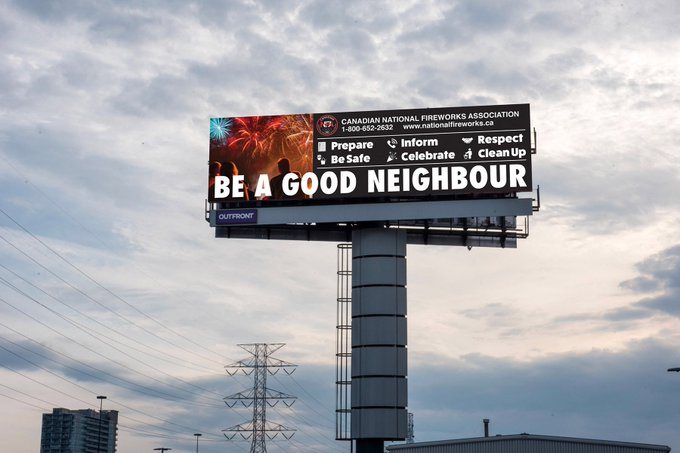
Next, Councillor Ken Yee Chew had a few motions. The first was that staff seek approval from the Regional Senior Justice to set new fines for violators who break fireworks rules, which is another bit of homework staff is now directed to do after the motion was passed 11-2.
The second was a request to expand the number of allowed days for fireworks to include Lunar New Year and New Year’s Eve, which prompted Councillor Phil Allt to ask if maybe some days should be taken away; what’s the cultural relevancy of Victoria Day anymore?
It was at this point that council started feeling that maybe re-writing the fireworks bylaw on the fly in the middle of a council meeting was biting off more than they could chew (so to speak). Deputy CAO Colleen Clack-Bush tried to impress on council that if they wanted to make a change, they should change the bylaw to allow the sale of fireworks in the days leading up to Diwali. You see, you can set off fireworks in Guelph for Diwali, but you can’t buy them before hand.
The motion to expand the days allowed for fireworks was pulled because you can always petition the fire chief to get special permission anyway, but Councillor Cathy Downer proposed a motion to remove the day before Victoria Day and the day before Canada Day from the bylaw, which ended up passing 8-5. Finally, council did as Clack-Bush asked and made the seven days before Diwali available to sell fireworks in the city.
Councillor Rodrigo Goller, who was probably the strongest voice in favour of the original staff recommendation, had mixed feelings at the end of this process, and wanted to explore with staff if there was anything else council needed to do. Goller said that he felt council had turned its back on the 56 per cent of people who told staff during public engagement that they were in favour of a ban, but Guthrie said that this was out of order and put his foot down that it was time to move on, and if anyone on council felt otherwise, they could formally challenge the ruling. No one did.
The last thing on the agenda was the appointment of the (mostly) new chairs and vice-chairs of the various subcommittees of Committee of the Whole, and they are:
- Audit: Goller and Richardson
- Corporate: Caron and Caton
- IDE: O’Rourke and Klassen
- Public: Downer and Allt
- Governance: Guthrie and Busuttil
- Elliott Board of Management: Downer and Caton.
Click here to see the complete recap of the meeting.
Budget Meeting of City Council – October 30, 2024
The first budget meeting of the year laid out before council the challenges and opportunities for fiscal 2025. CAO Tara Baker, taking part in her first budget as the big boss (administratively speaking), noted that the multi-year budget approved last year was never meant to be a “set it and forget it” proposition. The mayor presented a challenge to staff to manage growth while keeping the tax levy increase in the affordable range, plus they brought back a fully funded 10-year capital forecast.

Staff outlined how housing and the servicing of housing was prioritized, while still using the Strategic Plan as the guide, but the full impact on those goals will not be fully understood until mid-2025 when staff provide the annual Strategic Plan update. Senior staffers then reviewed the high-level changes to the budget and how they chose to proceed with the spending previously approved or why they decided to delay or defer other priorities.
As for capital, acting GM of Finance and City Treasurer Shanna O’Dwyer explained that between the Official Plan, the Comprehensive Zoning Bylaw, the Clair-Maltby Secondary Plan, and numerous master plans there was always more work than money to get it all done in 10 years, so deferrals and delays were inevitable. Infrastructure renewal and housing support were the priorities, but that meant service enhancements, brownfield remediation and the 100 per cent renewable transition all had to take a back seat. The result is nearly half-a-million dollars saved over the next 10 years.
There was also a warning about the City’s debt forecast. The AAA credit rating could be at risk over the next few years as Guelph approaches the 30 per cent debt to operating revenue ratio. Staff said that it should be cool though because debt servicing is well below the 25 per cent threshold plus the credit rating is ultimately just one tool to secure the best possible financing and AA+ is still a very, very good place to be.
Council then got into some of their questions. Councillor Rodrigo Goller asked if shooting for a four per cent max budget increase every year should be the new goal, and Mayor Cam Guthrie replied that as the driving force behind this year’s benchmark, if council wanted to make a motion to that effect, he’d be willing to entertain it. Councillor Dominique O’Rourke later asked if future master plans should be based on affordability first and while Baker said that it was something worth talking about, she didn’t know what those discussions would look like right this moment.
For most part, councillors were concerned about what’s being cut or delayed, and how best they can see all that information in a comprehensive list. There were also some concerns about the cost of deferment, as Councillor Leanne Caron asked Baker about preparing a list of all the deferred projects over the last 20 years, and how costs have changed. Baker said that would be a massive amount of work but was open to maybe looking at one project as an example. Councillor Phil Allt wondered if this budget undermined the point of strategic planning, but Baker noted that the budget is meant to set the pace of change while the strat plan sets the course.
After a 40-minute session in-camera, the meeting was adjourned. Budget discusses continue next week with four Mayor Guthrie-hosted town hall, three in-person and one virtual.
Click here to see the complete recap of the meeting.
 Guelph Politico