
This month’s planning meeting had only one immediate application, and it’s one of those projects that should be simple, and would be simple if the 2023 Comprehensive Zoning Bylaw amendment was in effect. Mostly though, this meeting was about the effort to create more affordable housing, first by exploring an affordable housing pilot project and then by discussing the new affordable housing strategy. For details, here’s the recap…
Planning Meeting of City Council – October 8, 2024
Getting an early start, the planning meeting of council began with a question about… salt water. Councillor Erin Caton raised the question pertaining to accessible options around the revitalizing of Lyon pool, a job that the City of Guelph hopes the federal government might cover the tab for. DCAO Colleen Clack-Bush said that the aim is to always look at accessible options, but the application is due in two-and-a-half weeks so the scope might be limited.
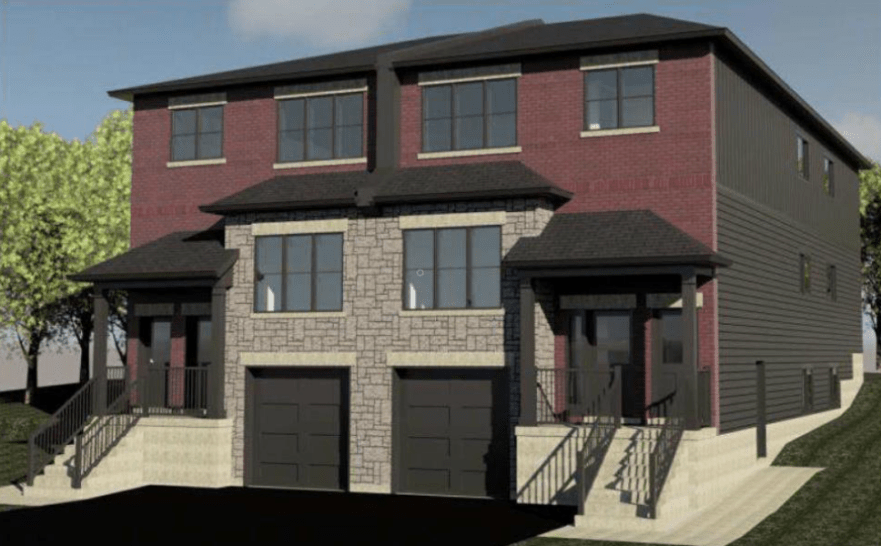
After approving that application, council started digging into planning matters. The one new application was a proposal to take a big lot north of Eramosa between Arthur and Mitchell, tear down the one house presently there, and then build four semi-detached units in two duplexes. Each unit will have the option for two accessory dwelling units or ADUs, which means there could be as many as 12 units on the site when it’s all said and done.
Chris Corosky, the planner from Van Harten Surveying, told council that the changes proposed were in line with what was allowed as-of-right with the still in limbo 2023 Comprehensive Zoning Bylaw amendment, but council was interested in how the ADUs would be laid out in the finished project. The number of units was the big concern for most of the delegates as area residents felt that 12 units, each with only four parking spaces between them, was going to have a negative impact on traffic and movement in the neighbourhood.
The parking requirements were a point of concern for council too, and they asked staff about looking at ways to open up the development for more parking, but provincial changes mean City staff don’t get to review site plans for projects with 10 units or less (excluding ADUs). There were also some calls for traffic studies, but the pre-review with staff didn’t see the need to do one. There was also some discussion about flood concerns given the area and the slope of the property, but the Grand River Conservation Area haven’t raised any concerns either.
Council unanimously voted to receive the report. No final decision about the project was made at this meeting, and now staff will take the application back for further deliberations.
Next, council discussed the Affordable Housing Demonstration project. The goal, which is part of the deal for Housing Accelerator Fund money that Guelph received earlier this year, is to find a community partner and then find a way to build 12 affordable units of new housing for a little less than $2 million made available for the project.
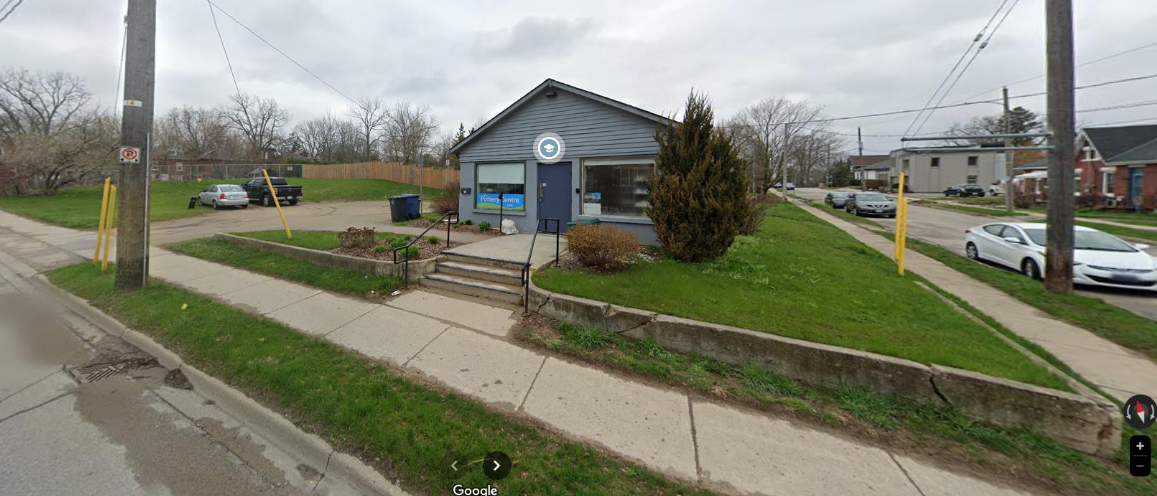 The site that staff have picked for the demo is 14 Edinburgh Road South, presently home to the Pottery Centre (which is moving next summer anyway to the West End Community Centre), and sometimes a possible lynchpin to Metrolinx plans for the Kitchener Line. Strategic Property Advisor Luke Jefferson said that using the Edinburgh address will not affect the environmental assessment of the area where Edinburgh Road converges with the rail lines just up the street.
Council was bullish on the project but had a couple of additions to the motion. First, Councillor Dominque O’Rourke asked for a caveat that the new units developed will be affordable for 99 years; council wanted “in perpetuity” but forever isn’t a legally viable term for a contract apparently. Mayor Cam Guthrie then had an amendment of his own, that the City get first right of refusal to buy the units back if the property is put up for sale again. Both amendments were unanimously accepted as part of the main motion.
Another motion from Caton was proposed to make three of the 12 units wheelchair accessible, which was amended to say “a minimum of three units” instead so that they might establish the number as a proverbial floor and not a ceiling. That additional motion was approved and so was the slate of what ended up being four recommendations instead of two.
After a break, council got into the draft update to the Housing Affordability Strategy. Staff described how it was going to be hard to make the numbers that Guelph needs because of the strong market conditions and decades of disinvestment in social housing stock, but they believe that some of the proposed measures in this plan can hit that 18 per cent share of affordable housing growth needed between now and 2051.
The plan is separated into things that the City is doing right now like offering incentives and cutting red tape, and things that they want to work on in the future like using City-owned land for housing and further reducing parking requirements. Although staff explained that they can’t do everything all at once, there are 30 actions in the 2024 update versus just 25 in its 2017 predecessor. The next phase involves holding several public feedback sessions and then bringing the final strategy back to council for approval in December.
Delegates spoke favourably of the plan but encouraged council to keep in mind two key demographics: seniors and students. Council though was more interested in what comes next after the strategy is complete in terms of bringing developers into this process and what key performance indicators they’ll be using to track the strategy’s success. Guthrie said that he would like staff to look at whether Guelph Municipal Holdings Inc might be used to help foster the creation of housing, and while CAO Tara Baker said that they would, she warned that administering a housing corporation was an expensive proposition.
Council approved receipt the draft before adjourning for Thanksgiving break.
Click here to see the complete recap of the meeting.
 Guelph Politico