
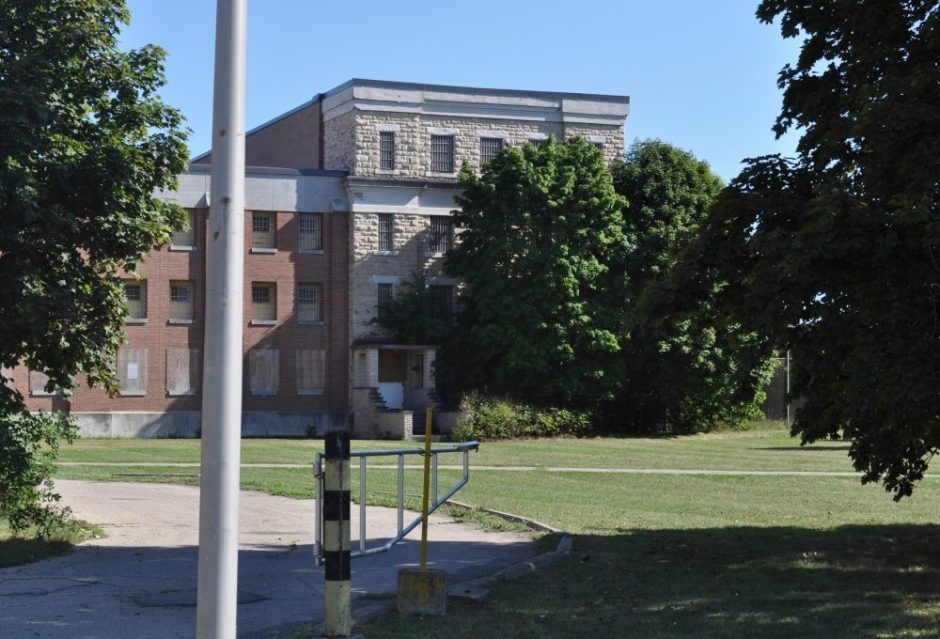
At February’s planning meeting, council showed some love to community advocates by voting their way on a couple of key issues. First up, the last meeting about the heritage conservation district for the OR Lands will now be the second-to-last meeting after council sent it back to staff for a change. Council also asked staff to make a change to the Official Plan in the name of protecting a well-loved, and long ignored piece of property. Here’s the recap!
Planning Meeting of Council – February 10, 2026
Two highly controversial files were on the agenda at the February planning meeting, and somehow they both worked out in a way that pleased the crowd.
First, there was the “final” decision to designate the Ontario Reformatory Heritage Conservation District. Senior Heritage Planner Stephen Robinson began by commenting on the five-year journey to get to this point, and how staff took commentary from the last meeting over a year ago to heart by using more decisive language and emphasizing the importance of greenspace. He also noted that the Heritage Advisory Committee had unanimously endorsed the final version of the plan and guidelines but failed to mention that the vote happened just five days before this meeting.
In an attempt to pre-empt some of the criticism that was coming, Robinson also noted that the heritage protections will not come into effect until the Ontario government sells the property and till that point, they can do whatever they want like demolishing the trestle bridge, which happened last summer. He also noted that the property had been previously approved for adaptive re-use in the Guelph Innovation Secondary Plan, and as for that National Urban Park concept, that’s not a City-led effort, but a community project, so staff can’t really offer direction or comment on that.
The six delegates though weren’t buying it. Members of the Yorklands Green Hub, the head of the National Urban Park project and others all affirmed their desire to see any mention of residential development in the HCD plan be removed. Staff observed that there had to be some guidance for residential development in the plan to cover all the bases, but delegate Brian Skerrett categorized that as “anticipatory obedience”. GM of Planning and Building Services conceded that point but called it a matter of prudence because the Ontario government could sell the land with a ministerial zoning order (MZO) that overrides all zoning and planning considerations, and the last line of defense – apparently – would be the HCD plan.
There was a lot of confusion from council about what would and wouldn’t be protected without those residential considerations, and Walkey kept repeating that when Queen’s Park last put up the OR property for sale it was directed at potential buyers for residential development. If that happens again, and if there were no notes about residential development in the plan, there will be no guidance about what a potential developer could and could not do with such a project. The fundamental struggle of the debate was summed up by Councillor Carly Klassen who said that it was her intent to see as much land as possible on the property used for public and/or conservation purposes, and not for redevelopment.
It was Councillor Erin Caton though that made the first move, or rather motion. Their recommendation, which was seconded by Councillor Rodrigo Goller, was that staff remove any mention or provision for residential development from the HCD plan and to bring that back to council for the final, final approval in the near future. Caton said that when you consider the fact that this property is sandwiched between the Cargill plant and the Waste Innovation Resource Centre, there’s not much chance it will appeal to someone for residential development anyway, so why muddy the waters with such language in the plan?
Ultimately, four councillors voted against the amendment, but the whole of council voted in favour of the amended recommendation.
The other major piece of this meeting had to do with the Official Plan, the end of phase one of the latest Official Plan update. Lucas Mollame, Project Manager, called it an “administrative exercise” to bring the plan into compliance with provincial changes, recently approved master plans, and the new Provincial Planning Statement, and after a couple of delegates, and a few questions from council, the recommendation from staff was approved.
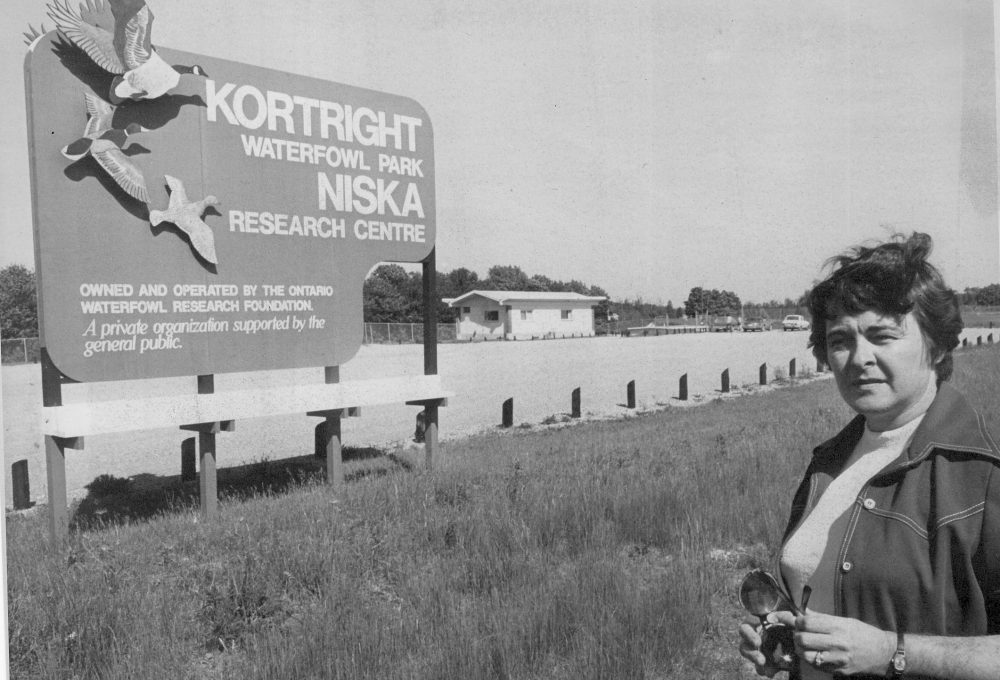 Next, was an item called, “Site-specific Land Use Planning Considerations” and the site in question was the old Kortright Waterfowl Park. Guthrie said it felt like there needed to be a dedicated space to this topic following a lot of community activism, and the recent announcement that the City of Guelph is buying a portion of the property outright for more parkland; he didn’t want it folded into the straightforward discussion about the Official Plan as a whole.
Before getting into the nearly dozen delegates that signed up for this topic, Mayor Cam Guthrie unveiled new wording for the recommendation to have staff bring back a report no later than the second quarter of this year with a recommendation to rezone the property as open-space and parkland. The new motion got an endorsement from all the delegates, but they did want council to bring a recommendation back in April, which, given staff capacity at the moment, is unlikely.
With staff, delegates and council all lined up on this, Guthrie carved out a special shout out for Councillor Christine Billings, who is one of the Guelph reps on the Grand River Conservation Authority board. Billings said that she’s been dealing with this file for quite a while and thanked regular advocates Hugh Whiteley and Susan Watson for their dedication and research. Her colleague on the GRCA, Councillor Ken Yee Chew, added that he’s been waiting for years to get rid of the “no trespassing” sign on Niska Road and to talk about what’s been going on behind the scenes with these negotiations (although technically he still can’t do that).
Lastly, there was a different kind of administrative matter, a clarification on who voted for, or against, two clauses at Committee of the Whole last week on the Council Renumeration Review. The record will now reflect that Councillor Dan Gibson voted against the two clauses, and that Councillor Klassen voted in favour of them, while Mayor Guthrie voted against recommendation two and Councillor Katherine Hauser voted for it.
Click here to see the complete recap of the meeting.
The next meeting is the regular meeting of council on Tuesday February 24. You can see the agendas on the City’s website here, and you have until next Friday at 10 am to register with the clerks’ office as a delegate or to send a correspondence.
 Guelph Politico