
Just when you thought that the debate about the Private Tree Bylaw was over, it’s not! Although there was a lot of discussion about that at Committee of the Whole earlier this month, some haggling about how big a tree needs to be to save it, there was some attempted re-calibration this week. In other news, council discussed a matter that forced them to reckon with the divide between city hall and Guelph’s disabled community. Here’s the recap!
Regular Meeting of Council – April 23, 2025
It was another one of those council meetings that looked chill on the surface, or at least on the agenda, but there was a lot of controversy over those three hours. It wasn’t an easy meeting, but at least it had a pleasant surprise at the end.
After the consent agenda was approved, there was one new delegate to discuss the Private Tree Protection Bylaw, which had been substantially changed from the staff recommendation at Committee of the Whole earlier this month. Committee agreed by a vote of 8-3 to increase protections in the bylaw to include all trees over 30 centimetres in diameter and all trees over 10 centimetres on lots bigger than 0.2 hectares.
Jonathan Harris, who is an arborist, had some issues with that move. He said the original recommendation of 50 centimetres made more sense because it will give the members of the public and property owners a little room to breathe and get used to the new regulations. Plus, there was a noticeable lack of a conservation plan in the immediate term, and if council intended to widen the number of trees protected then they needed a plan on how best to protect the trees already planted.
Back in council’s hands they mulled over what Harris had to say and then Councillor Ken Yee Chew proposed two amendments, one to adjust the diameter for protected trees to 40 centimetres and another to have council review the effectiveness and operational impacts from the new bylaw by mid-2027. His colleagues embraced the second recommendation, but only Chew and two others voted for the first.
Mayor Cam Guthrie then talked about some of his own reservations in terms of how it adds more work to staff’s plate, and how it will cost more in staff time, planning and enforcement. There was a lot of haggling over what the numbers meant, and Councillor Leanne Caron noted that there was no discussion about the return on investment given the positive impacts on cooling and ground water that a bigger tree canopy creates. After a couple of rounds of comment, council passed the original recommendation from committee with four councillors voting against it. They also unanimously approved a pair of additional recommendations concerning the creation of a canopy conservation plan.
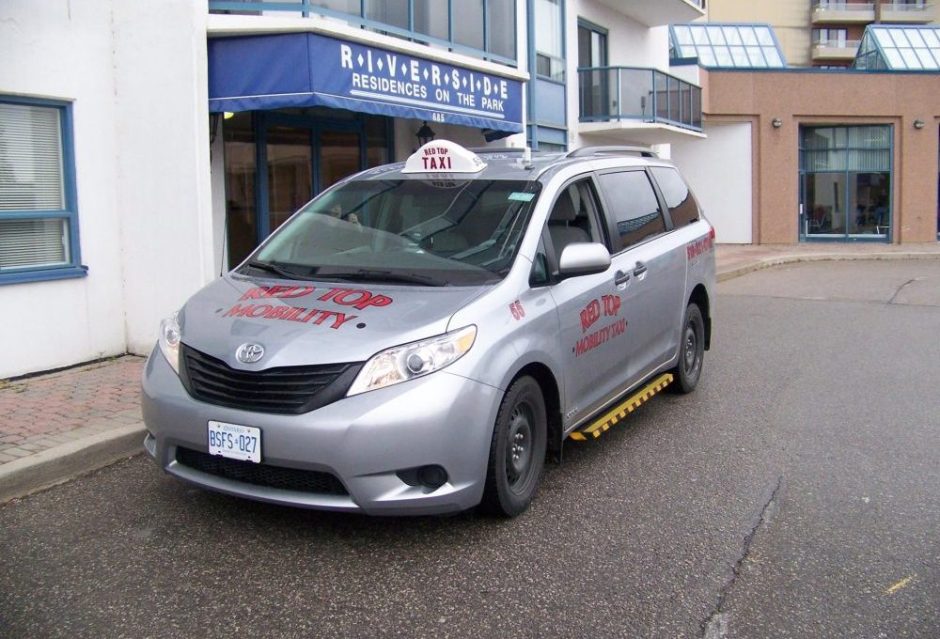
 Then it was time for an item that was attached to the amended agenda just before the long weekend: a request from Red Top Taxi to access $39,500 from an account collecting monthly fees from vehicle for hire businesses to support modifications on vehicles in order to make them accessible. Red Top has lost one of the six mobility taxis in their fleet, and it’s become very expensive to make those modifications on a new vehicle, which is why they wanted to access $39,500 from the account.
Here’s the rub: The Accessibility Advisory Committee heard the request at their meeting last week, and they passed a motion that said they would not consider the request until staff committed to make changes to the TaxiSCRIP program they’ve been asking for. That program provides discounted coupons for people with disabilities to use Red Top Taxi’s accessible vehicle services, but it’s been criticized for being too difficult to access and not having enough resources to meet demand. And since the AAC decides how the funds in this account are dispersed that, as they say, was that.
But Mayor Guthrie had different ideas. He added this item to the amended agenda saying that the issue was “black and white”; the AAC had legitimate concerns about access to mobility transit and services, but Red Top was asking to receive funds from an account that was set up for the purpose that they wanted to use the funds. He also felt council should endorse the request in the interest of creating more mobility.
There were six delegates, including staff members from Red Top Taxi who spoke to their need for the funds. There were also former members of the AAC who resigned last week feeling that their feedback and advice was being ignored by staff and council and believing that this was another example. There were also members of the public; some concerned about the way council was overriding the AAC and at least one person who wanted to speak in support of the project.
Back amongst council there was a lot of confusion. There were questions about the account, the bylaw that administers it, and the separation of powers between council and the AAC. Many councillors also wanted to get staff feedback about the allegations made by AAC members while Guthrie repeatedly chastised both councillors and delegates that didn’t stay on topic, which is whether or not Red Top should get the money they were asking for.
It took a while, but eventually council got to the question, and they voted 10-1 in favour of giving Red Top the $39,500 they were looking for. Before the vote Guthrie said that he didn’t like the tone of some of the references to Red Top as a “for profit business” because sometimes these enterprises can do nice things for the community, and while the AAC have “perhaps understandable” concerns they still “made a wrong decision” when it came to how they handled this file.
After a quick break council passed two additional recommendations, one to have staff review the TaxiSCRIP program and the convoluted mobility transit applications, and another to have staff review the Vehicle For Hire bylaw to look at potential changes, which will come back in the second quarter of next year.
For everyone in the council chambers, the evening ended with cake for Guelph’s 198th birthday courtesy of Councillor Caron.
Click here to see the complete recap of the meeting.
 Guelph Politico