

Delayed a week because city council gets March Break too, we finally come to the March planning meeting+. Why “plus”? Because this month’s meeting wasn’t just about planning matters, but about trades wars, or rather it was about how Guelph is ready to fight one. As for the actual planning part of the planning meeting, housing was the focus as council got an update about those efforts. To learn more, consult this recap!
Planning Meeting of City Council – March 18, 2025
The meeting began at 9:30 am with the closed session, and while the open session was supposed to start at 10 it didn’t actually start till closer to 11. So what took up so much time? Mayor Cam Guthrie didn’t say. All we heard was that staff gave council information about the Strategic Property Acquisition and Disposition Update; no direction was given.
More on that in a minute.
First council approved a slate of heritage designations and one heritage permit, and then they dug into the topic in open session. There was no presentation and only one delegation, a resident in the area of Rodgers Road who spoke to their concern about disposing a piece of land between some houses and a stormwater management pond for up to five new affordable units. The concern was a safety one because that part of Rodgers is also a trailhead into Preservation Park so there are always a lot of cars parked along the road.
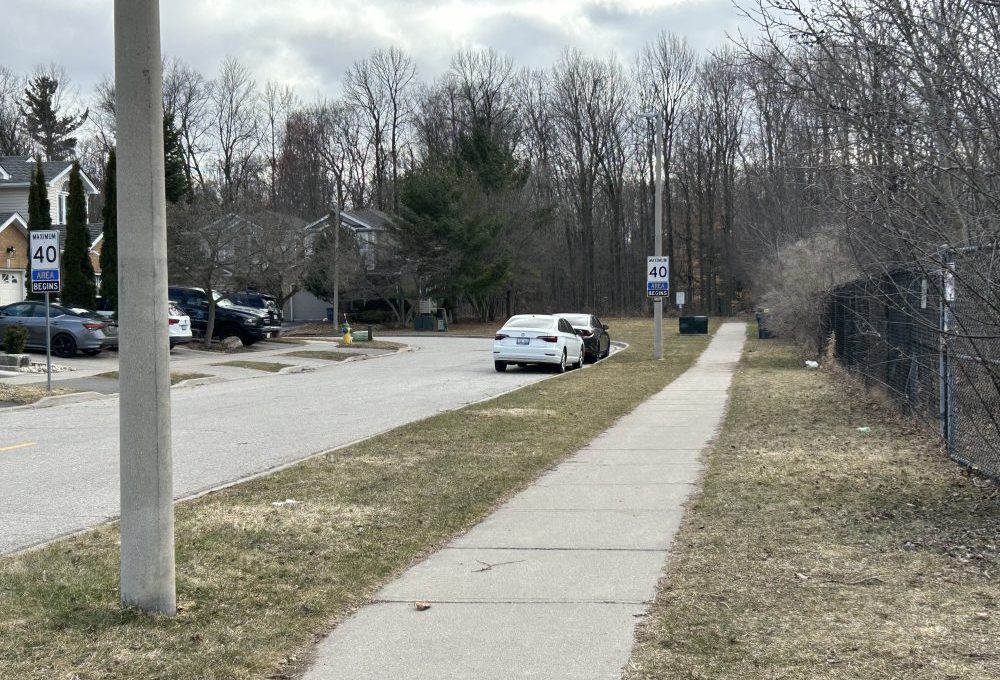
The two recommendations were put on the floor and then immediately Councillor Leanne Caron proposed an amendment to the second clause, a note to exclude parkland and land set aside as future greenspace from further evaluation of City-owned land for potential residential use. Caron also asked that the two clauses be voted on separately, with the direction to staff to dispose the Rodgers Road site going down to a 4-8 defeat while the second amended clause was approved unanimously. Guthrie thanked staff for the work but noted that looking at building houses in parkland is a bridge too far while there are thousands of units in the city that are approved but are not yet constructed.
Next, council heard the first ever semi-annual update on housing that covered the Housing Pledge commitments made by the city just two years ago, and how Guelph is one of the 82 per cent of Ontario municipalities that missed their target in 2024. Building permits were way down in 2024, but there does seem to at least be some forward momentum on two major sites in town: one being the old Royal Brock project and the other is on Imperial Road.
Staff reported that their focus is on five growth areas in particular from downtown to Clair-Maltby, the Dolime Quarry, the Guelph Innovation District and the new strategic growth areas including the Stone/Edinburgh zone. They’re also working on intensification with the conversion of vacant spaces, changes to the Committee of Adjustment and the streamlining of approvals; site plans are now approved 450 per cent faster than before, while zoning applications are approved 130 per cent faster.
They also covered the work being done as part of the Housing Accelerator Funding from the federal government. The City just received the second payment worth $3.56 million, but the difficulty in getting construction going might impact whether we get any more money in the future; the City has to show progress on both program milestones and new units created. Staff also discussed challenges like the sheer number of legislative changes from the Government of Ontario, trips to the Ontario Land Tribunal and the retention of planning staff.
The main piece of new policy to come out of the report was the Seed Funding Grant Program, which will fund “seed” activities like site surveys, business plans and environmental assessments for charities and non-profits looking to build deeply affordable housing. Each grant awarded will be up to $25,000 and will be paid from $100,000 allocated to the fund from the Affordable Housing Reserve and council will have the ability to authorize more funds if needed.
There were a few probing questions from council about how the fastest growing category for building permits is ADUs, how it seems doubtful that the City can meeting its Housing Accelerator Fund goals this year, and how staff retention is another one of those province-wide issues. Otherwise, the three recommendations were approved rather swiftly.
In one last bit of business, council tackled the trade war. Three motions were passed directing the City to collaborate with the business community and other levels of government through new initiatives, to take steps to avoid further procurement from U.S. companies, and to seek clarity from the Ontario government to make sure any changes to procurement have no unintended challenges. Guthrie reiterated again that Guelph’s procurement is 98.5 per cent Canadian and 29 per cent local, and that this is a thoughtful reaction to bring the community together to fight the U.S. tariff threats. Then council posed for a patriotic photo.
Click here to see the complete recap of the meeting.
 Guelph Politico