
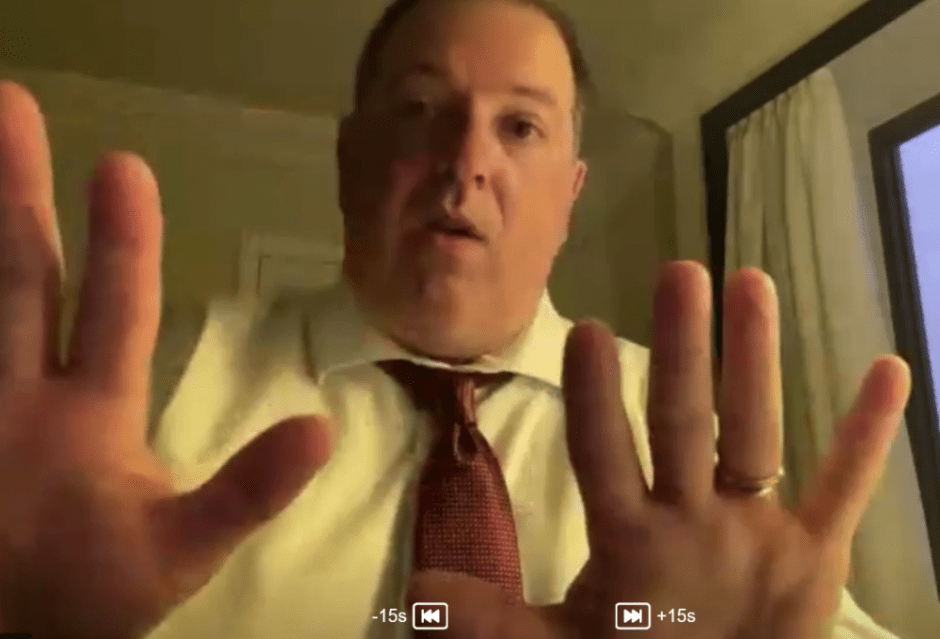
It was a big meeting of Committee of the Whole, and one that’s been long anticipated. The topic on this day concern’s a proposed renoviction bylaw and a new vacant home tax. The latter was kind of a foregone conclusion because staff were recommending its creation, but the renoviction bylaw… That was going to be another story. But which version of the story was the committee going to want to tell? Find out in this week’s recap!
Committee of the Whole Meeting – November 4, 2025
There were other things on the agenda, but for all intents and purposes, there were really only three matters of importance at this month’s Committee of the Whole: Whether city hall would proceed with a renoviction bylaw, how much they should penalize property owners for leaving buildings vacant, and whether or not they would dip their toe into the pond of building some new affordable housing.
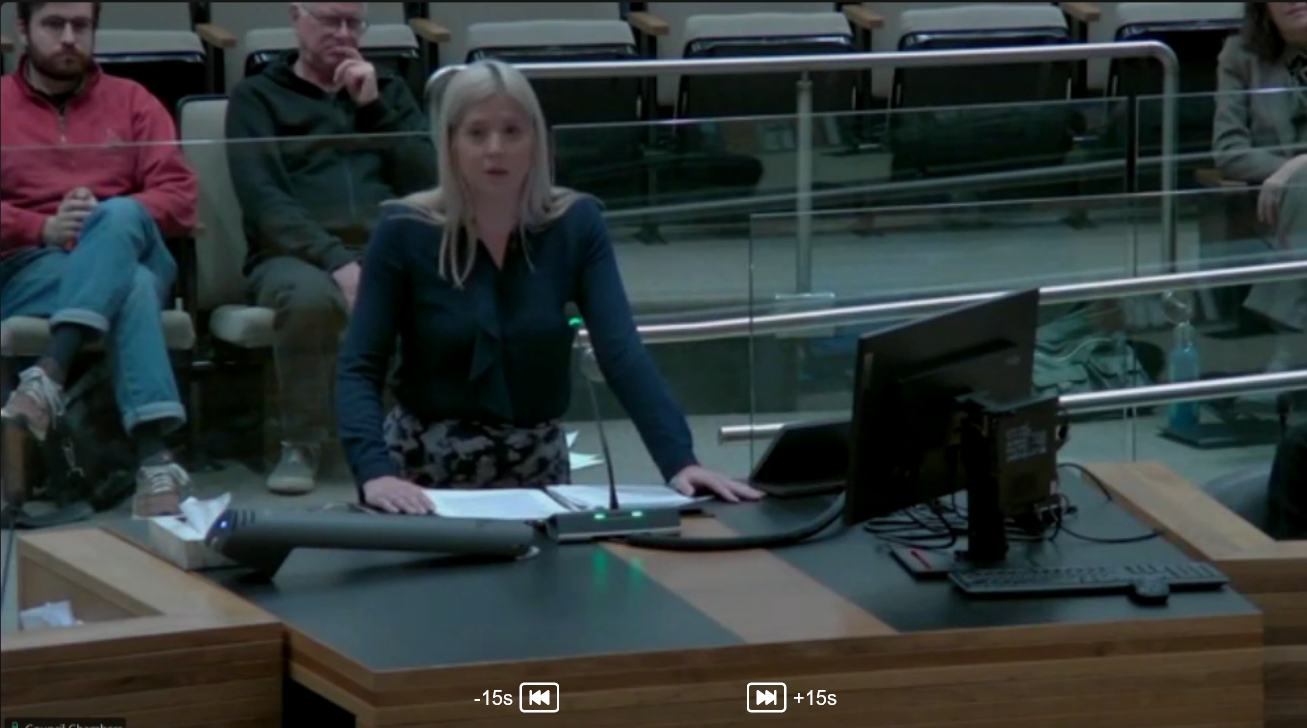
The renoviction bylaw and the vacant home tax were both discussed in the same report, as they were both immediate directions spinning out of the approval of the new Affordable Housing Strategy late last year. Cushla Matthews, Manger of Community and Affordable Housing, was emphatic in her presentation that staff were just at the beginning of data collection and that they didn’t want to rush to a conclusion since this is still a new direction in the municipal sector. As for the vacant home tax, staff were a little more bullish suggesting a three per cent tax on any property vacant for 183 days (or six months) run on a complaint-based system.
There were nine delegates on this report, and they were about evenly split between the ones wanting work on a renoviction bylaw to begin immediately, and the ones that wanted an even stronger and more punitive vacant home tax.
One notable delegate was Stephanie Clendenning, the executive director of the Guelph-Wellington Legal Clinic. She explained that the data represents only a fraction of the N13s issued because so many people are intimidated into accepting their eviction and are ignorant of their rights and how they can fight it. Also, Clendenning noted a 245 per cent increase in the use of N13s since 2020 translating into 500 people losing their housing in a combined 280 units. Ultimately, without a renoviction bylaw, Clendenning said, Guelph will lose even more affordable housing before staff were ready to proceed with a bylaw in early 2027.
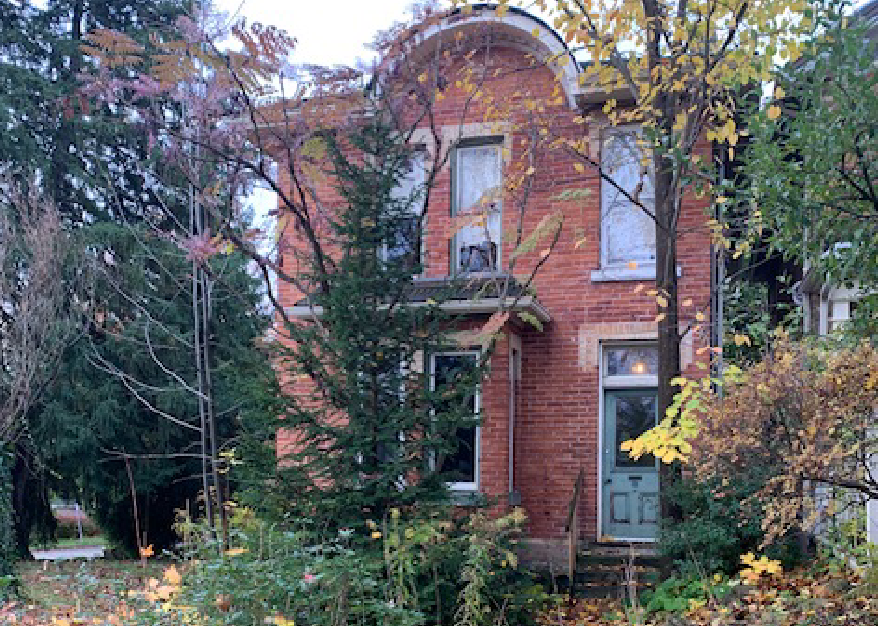
 At issue, from a staff perspective anyway, is not just the creation and implementation of a renoviction bylaw, but the need for an accompanying rental replacement policy. The policy would be a way hold landlords accountable by making sure that tenants in units that need to be vacated for necessary renovations have someplace to go and that they will have first right of refusal to return at the previous rental rate. But despite staff hesitation, committee was adamant that this is something that must get done; the community was demanding it and there’s definitely a trend where certain older buildings with many long-term residents are being sought by unscrupulous landlords looking to make a quick buck by forcing those tenants out and renting the units at three times the price to someone else.
The question then was how to get it done.
After Mayor Cam Guthrie (who was appearing virtually) showed particular frustration that staff weren’t acting fast enough, CAO Tara Baker interjected to note that there was a lot of work beyond merely writing a new bylaw including education plans, customer service training and investments in information technology. No matter how fast they go, there’s still a lot of work to do, and even with a bylaw they’re missing that rental replacement piece and there are concerns about staffing resources to get all this in place on the schedule that committee wants.
Having talked everything out, committee finally got down to the voting. First, they amended recommendation #1 to have staff keep city council posted in an information report in the unlikely event that the Government of Ontario finally decided to act on renovictions themselves.
Next, Councillor Erin Caton moved an amendment to direct staff to start the development of renoviction and rental replacement bylaws in 2026 pending approval of an additional $311,000 in next year’s budget. Caton said that that it’s a numbers’ game and spending that money saving affordable housing is a steal compared to the price of building new affordable housing.
 And finally, following the request of many of the delegates, Councillors Rodrigo Goller and Carly Klassen moved a four per cent vacant home tax. The intention was to send a message that property owners need to put these homes in play as places for people to live and not just leaving them victim to demolition by neglect. At the same time though, a few on committee wanted more information from staff about potential exemptions to the application of the tax to assure that it’s not overly punitive. Committee opted though to not push through with making reporting mandatory, it will still be a complaint-based system.
The full slate of amended recommendations were approved unanimously.
There was one last item on the agenda also concerning housing, a proposal to build three fourplexes on two vacant properties owned by the City. Staff noted that this is a big step for Guelph, which has long said that they’re not the business of creating housing, and here they were, creating housing. The sites were chosen because they need minimum planning work to be shovel ready, and the capital will come from the Housing Accelerator Funding and the Affordable Housing Reserve. All the City needed after committee approval was a few minor zoning changes and to find partners to build and operate the projects on Normandy Drive and Eastview Road.
Committee was bullish about the project even though these units will not be of the deeply affordable variety and simply meet the provincial definition of “affordable”. Also, the project will have to overcome any requirements and questions that Committee of Adjustment might have and then get shovels in the ground before the Housing Accelerator Funds expire at the end of next year. Still, the three recommendations were approved unanimously.
Click here to see the complete recap of the meeting.
 Guelph Politico