
A late-summer warning to people in the Guelph area that use substances from the Wellington Guelph Drug Strategy, there’s been a drastic increase in the number of drug poisonings in the last few weeks. According to the WGDS, there have been 17 drug poisoning in the last two weeks, including four suspected drug-related deaths. The potential cause is the appearance of light purple-coloured fentanyl.
The alert was published on the Wellington-Dufferin-Guelph Public Health site on Friday. It also warns that the symptoms if this spate of poisonings is atypical from other poisoning events including a normal breathing rate, being completely unresponsive (even to pain stimuli), and having an extremely low heart rate while also requiring higher than normal naloxone administration.
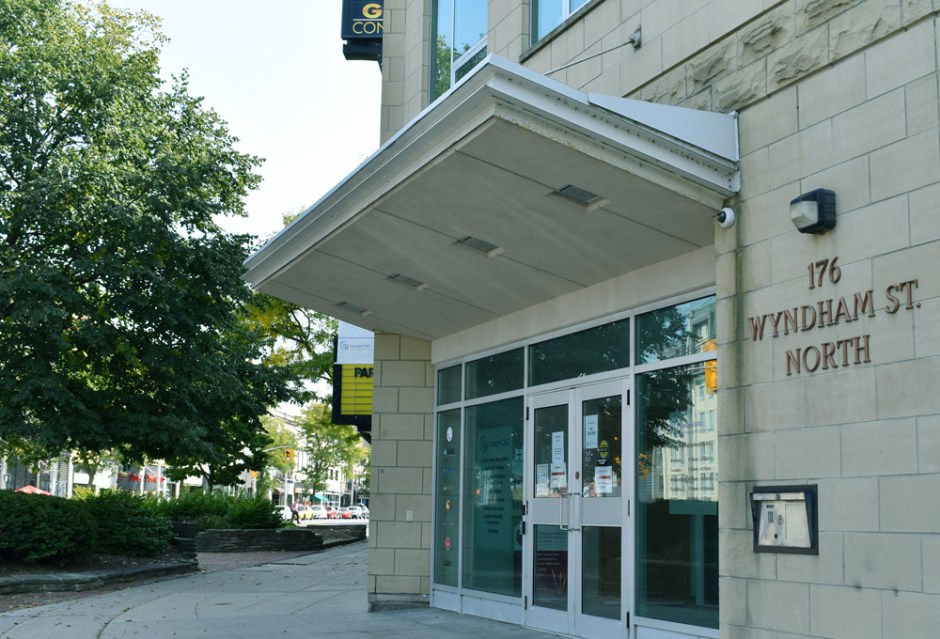
To reduce the risk of overdose, the Drug Strategy is advising people to carry naloxone, that they never use alone, to “start low and go slow” (for example, with any new purchase, start with one-third of a normal dose), and if at all possible, use the Consumption and Treatment Services Site (CTS), which is supervised by health professionals at Guelph’s Community Health Centre and is open Monday through Sunday, 9 am to 5 pm with the last entry at 4 pm.
According to a report presented to the Board of Health earlier this year, between January and September of 2022 there were 31 confirmed opioid-related deaths in the region compared to 31 in the same period in 2021 and 17 in 2020. Between August 2018 and the end of this past February, there were 1,162 substance-related incidents reported with 26 Health Alerts shared in response to concerning patterns of substance-related harms in the community.
“Social determinants of health like income, housing, and employment play key roles in determining the impact of substance use on individual and community health,” said WGDS Co-ordinator Adrienne Crowder in a May statement pushing for more alternatives to tackle the poisoning crisis. “If we turn the attention of our public policy and legal systems towards the social determinants of health, more lives could be spared, and more money saved.”
This is the first public health warning about the local drug supply since March when the WGDS reported that Xylazine, or “Tranq” had been identified in the region. Xylazine, the so-called “Zombie Drug”, is an animal tranquilizer, and when mixed with opioids it increases the risk of a fatal overdose because the user doesn’t respond with the application of naloxone. Injecting any drug that contains Xylazine can cause skin lesions and can alone result in amputation or death.
This alert also comes about three weeks in advance of the local commemoration for Drug Poisoning Awareness Day on Thursday August 31. Formally Overdose Awareness Day, it’s a chance for people to publicly honour and grieve the people whose lives have been lost to drug poisoning, as well as demand change to help prevent further deaths. This year’s commemoration will begin at City Hall at 11:30 with speeches before a walk to the Royal Bank Plaza where the rest of the event. Drug Poisoning Awareness Day will be marking in Mount Forest one week earlier on Thursday August 24 at noon.
 Guelph Politico